Engineered for immediate deployment, field service maintenance, and long-term durability in tropical environments.
The Maldivian archipelago presents one of the most demanding environmental profiles in the world for exterior building envelopes. Characterized by high atmospheric salinity, relentless ultraviolet (UV) radiation, and consistent relative humidity often exceeding 80%, structural materials face accelerated chemical and physical degradation. For luxury resorts, residential developments, and infrastructure projects across Male, Hulhumale, and remote atolls, window screening systems are not a mere accessory—they are a critical barrier against vectors (such as Aedes mosquitoes transmitting Dengue and Zika) and a key component in maintaining natural ventilation without sacrificing indoor environmental quality.
Traditional screening materials, such as basic untreated plastics or low-grade steel alloys, rapidly fail under these local conditions. High UV exposure causes plastics to undergo photo-oxidative degradation, leading to embrittlement, structural cracking, and loss of tensile strength. Simultaneously, high chloride concentrations in the marine aerosol cause severe pitting and galvanic corrosion in low-grade metallic meshes. Therefore, modern builders, resort engineers, and facility management departments in the Maldives require highly specialized mesh composites—predominantly premium vinyl-coated fiberglass and high-purity anodized aluminum meshes.
Globally, the window screen and mesh industry has shifted towards high-precision automation and material polymer engineering. No longer restricted to simple weaving, modern manufacturers utilize multi-axis computerized looms and continuous chemical bath finishing lines to produce textiles that meet strict ISO, ASTM, and European REACH environmental standards.
China stands as the global epicentre of this manufacturing evolution. Through massive industrial clustering, direct access to advanced polymer chemistry, and highly integrated supply chains, Chinese manufacturers can supply high-performance, marine-grade architectural meshes at a fraction of the cost of Western competitors. The efficiency advantage is built upon continuous extrusion processes, advanced heat-setting technologies that prevent mesh slippage, and automated optical scanning systems that detect and eliminate weave defects in real-time.
Foshan Fintrace Window Co., Ltd. was founded in the mid-1980s and has grown into a professional manufacturer specializing in window screening materials. The company is located in one of China’s major fiberglass product manufacturing bases in Shandong. Covering an area of more than 40,000 square meters, Fintrace has developed into a large-scale production enterprise dedicated to the manufacturing of stealth window screens, fiberglass mesh cloth, and chemical fiber wire netting.
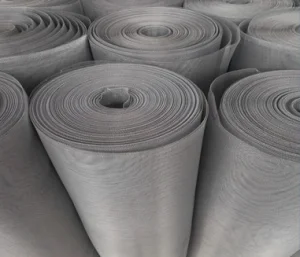
To ensure high product quality and stable production capacity, the company is equipped with multiple sets of precision, fully automated computer-controlled equipment imported from abroad. By adopting internationally advanced finishing and processing technologies, Fintrace has achieved a daily production capacity of up to 300,000 square meters. With strong technical capabilities and modern manufacturing facilities, the company maintains a leading position in the window screen mesh industry.
Fintrace Window Co., Ltd. always adheres to the business philosophy of honesty, quality first, and reasonable pricing. Its products are widely sold in both domestic and international markets and have gained recognition from customers worldwide. In addition to standard products, the company also offers customized processing services based on specific customer requirements. Fintrace sincerely welcomes partners and friends from all industries to visit, communicate, and explore long-term cooperation opportunities.
The architectural landscape of the Maldives is highly segmented, ranging from standard concrete residential blocks in Malé to ultra-luxury, lightweight timber and steel overwater structures in private island resorts. Each segment demands a different grade and design of screening system:
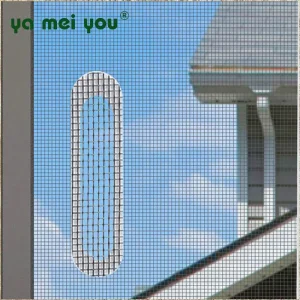
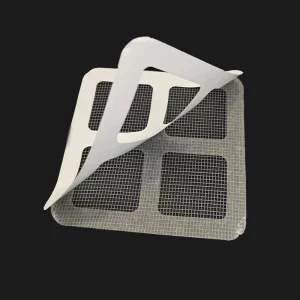
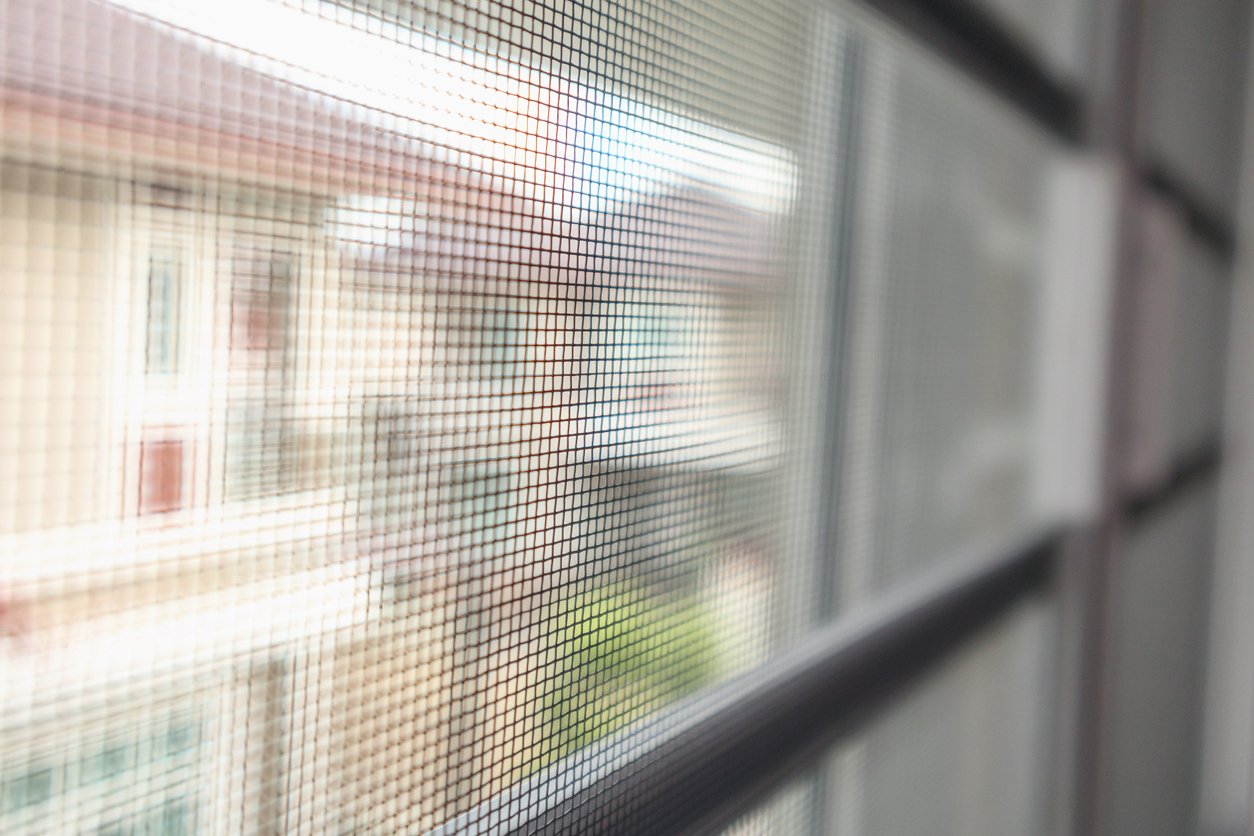
Requires high-transparency "stealth" fiberglass mesh. These screens preserve panoramic lagoon views while maintaining air flow and preventing mosquito penetration. Repair tapes and patch kits allow maintenance staff to resolve minor snags without replacing the entire screen panel, minimizing guest disturbance.
Properties in Malé and Hulhumalé require heavy-duty aluminum netting and structural mesh straps. These configurations offer physical safety, high airflow, and resilience against aggressive urban weathering and structural load shifts.
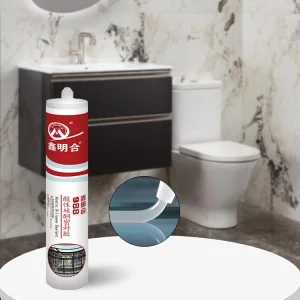
Kitchens, laundry facilities, and staff quarters require high-durability insect screens and heavy-duty silicone sealants to maintain hygienic, insect-free zones. This segment focuses heavily on functional life cycles and cost efficiency.
When procuring window screening elements for seaside applications, purchasing managers must weigh structural parameters. The table below represents a standard engineering comparison between the primary options supplied by Fintrace:
| Material Type | Tensile Strength | Salt-Spray Resistance | UV Stability Index | Primary Maldives Application |
|---|---|---|---|---|
| Vinyl-Coated Fiberglass | Moderate to High | Excellent (Non-reactive) | Very High (PVC Protected) | Resort Guest Villas, Sliding Doors, Retractable Screens |
| Anodized Aluminum Mesh | High | Good (Requires coating) | Excellent | Heavy-Duty Windows, Public Buildings, Staff Quarters |
| Chemical Fiber Netting | Moderate | Excellent | Moderate | Temporary Enclosures, Agricultural/Utility Netting |
| Stainless Steel (Marine Grade) | Extremely High | Outstanding (316 Grade) | Excellent | Security Doors, Commercial High-Exposure Frontages |
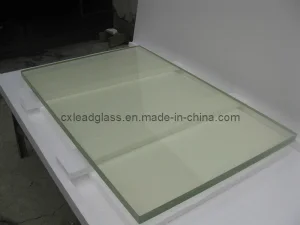
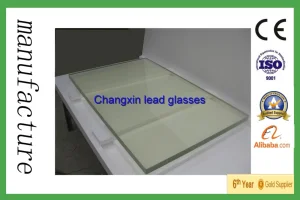
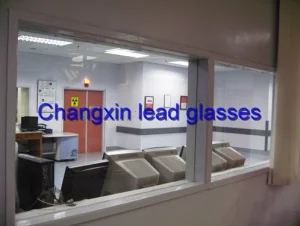
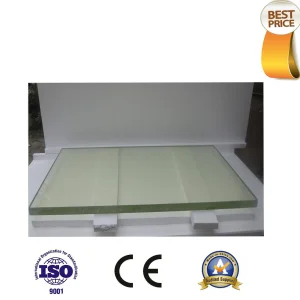
The evolution of building technologies has bridged the gap between basic physical barriers and multi-functional optical assemblies. In modern hotel development and healthcare construction within the Maldives, procurement needs have expanded beyond standard insect screens. Medical facilities (such as the regional hospitals in Malé and local health centres across the atolls) are increasingly upgrading their diagnostic capabilities. This requires high-integrity radiation shielding assemblies, including leaded glass windows for X-ray and CT scanning suites.
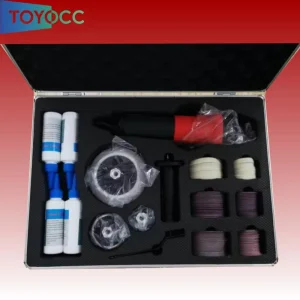
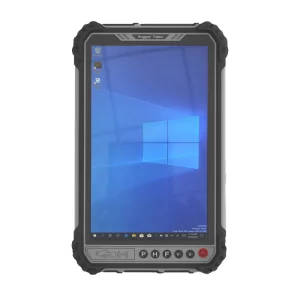
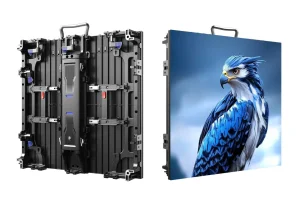
Additionally, the growth of marine leisure facilities, outdoor resort performance stages, and conference centres in Maldives resorts has catalyzed the integration of weather-protected, large-scale visual displays. Heavy-duty outdoor LED rental walls configured with specialized front-and-back repair mechanisms allow resort technicians to quickly service visual assemblies exposed to corrosive salt air, ensuring uninterrupted guest entertainment and functional operations.
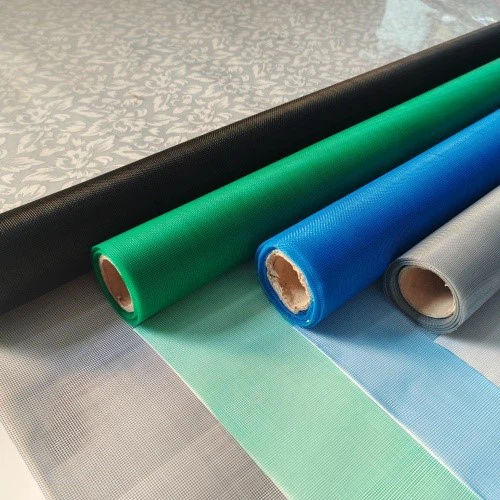
Factory-direct supply lines for architectural glass, specialty repair elements, and industrial building materials.
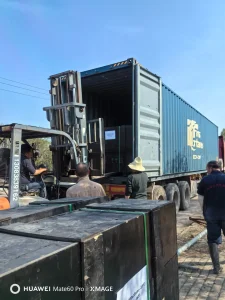
Procuring building and maintenance supplies for the Maldives market requires deep familiarity with local logistical frameworks. Since the vast majority of goods must pass through Velana International Airport or the Male commercial port before being distributed via local speedboats and dhonis, packing integrity and lead-time planning are paramount.
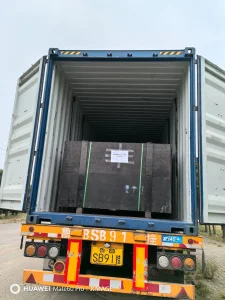
Fintrace has developed a highly specialized logistics system designed for island nations. We provide heavy-duty export packaging, including moisture-proof wrapping, reinforced wooden crates, and secure plastic strapping to prevent damage during sea transport. Our sales engineering team works closely with procurement departments to structure customized delivery terms:
Technical answers for project managers, resort engineers, and B2B hardware importers in the Maldives.
For luxury overwater structures, premium vinyl-coated fiberglass mesh (specifically in 18x16 or 20x20 weave configurations) is highly recommended. It offers excellent view transparency, does not corrode when exposed to marine atmosphere, and holds up well under high UV indices. For structural security applications, marine-grade stainless steel wire netting (316 stainless steel) provides maximum resistance to both physical impact and salt-fog corrosion.
Our quality control process is integrated throughout our manufacturing lifecycle. We use computerized looms imported from Germany and Italy to maintain weave consistency and tension. Our fiberglass mesh undergoes hot-coating polymer treatments to lock every joint in place. Finished batches are subjected to accelerated weathering chamber tests (including salt spray and UV chambers) to verify their performance lifetime in tropical coastal environments.
The standard production cycle for typical wholesale quantities (e.g., 20,000 to 50,000 square meters) ranges between 10 to 15 days. Ocean shipping transit time from Chinese ports to Male port usually takes between 18 to 25 days depending on the shipping line. Total delivery lead time should be estimated at approximately 30 to 45 days. We recommend purchasing managers schedule seasonal refits at least two months in advance.
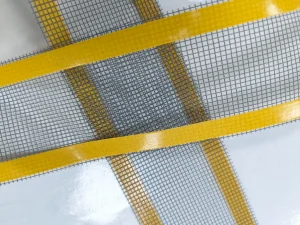
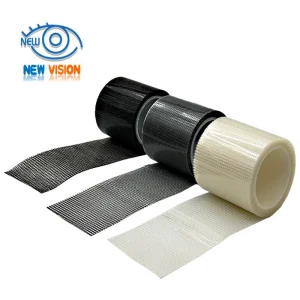
Yes. Our fiberglass window screen repair tapes are manufactured with high-strength, waterproof acrylic adhesives that remain stable under high humidity and high temperatures. They are specifically formulated to withstand coastal monsoons and high salt spray without peeling, making them an excellent choice for quick resort maintenance repairs.
Absolutely. We support OEM manufacturing. We can customize roll sizes, colors, and mesh configurations to fit local specifications. We also offer private label packaging, print custom retail sleeves, and package repair kits to support local Maldives retail distributors and hardware suppliers.
Get in touch with our technical sales division to request material samples, receive bulk pricing discounts, or discuss custom logistics routes to the Maldives.
Send Inquiry Now Fintrace Window